Key Features

Web-based borehole investigation and geotechnical information management program
Reliable information,
efficient drilling surveys,
fast and convenient deliverables

Provides a variety of functions to improve analog drilling research &
to convert to digital processes to improve work efficiency

Reliable drilling planning and
information management
Efficient borehole execution and
information modeling
Real-time management of
diverse field information
GAIA
Key Features
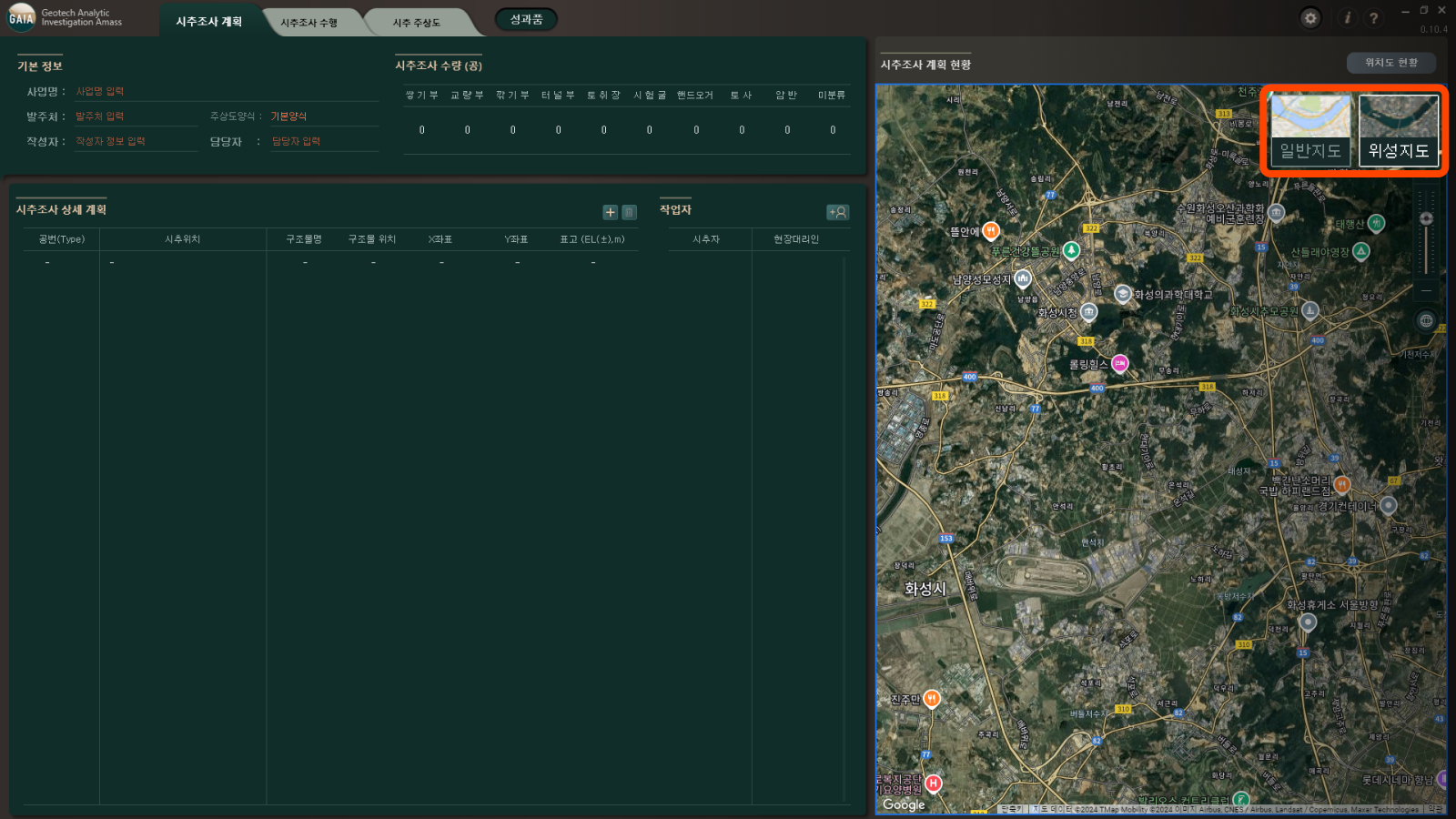
Drilling Plan Using Web Maps
In the web map containing road linear information (DWG) and status information, it is possible to establish a precise drilling plan through a review of the field conditions in advance."
Utilize Web Maps
  • a general / satellite map
  • Insert Linear Information
  • Confirm drilling plan
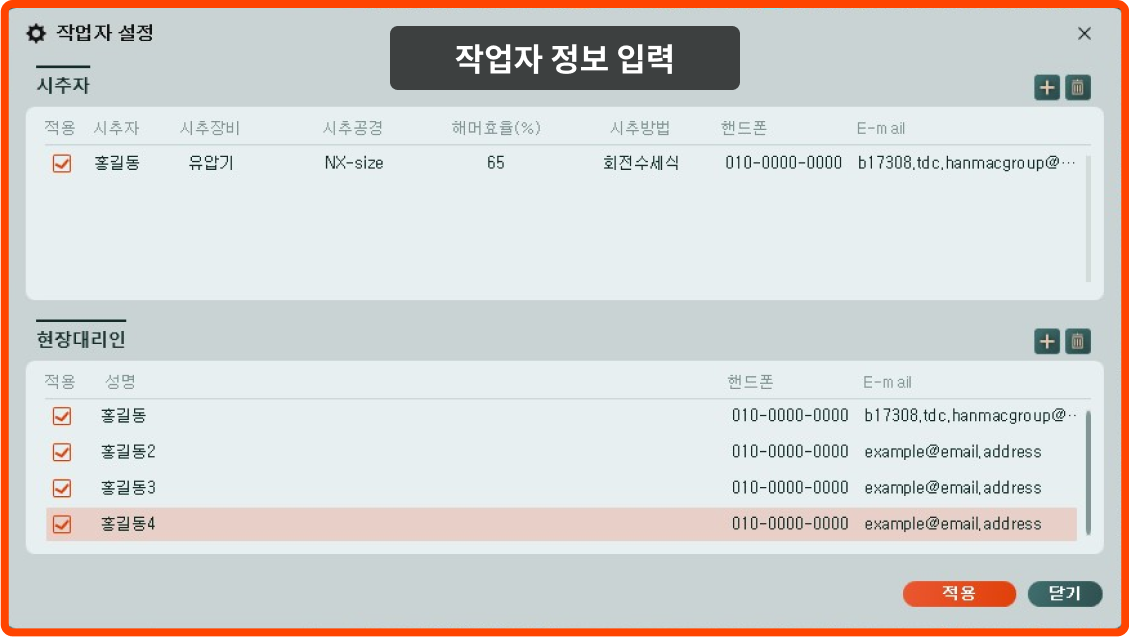
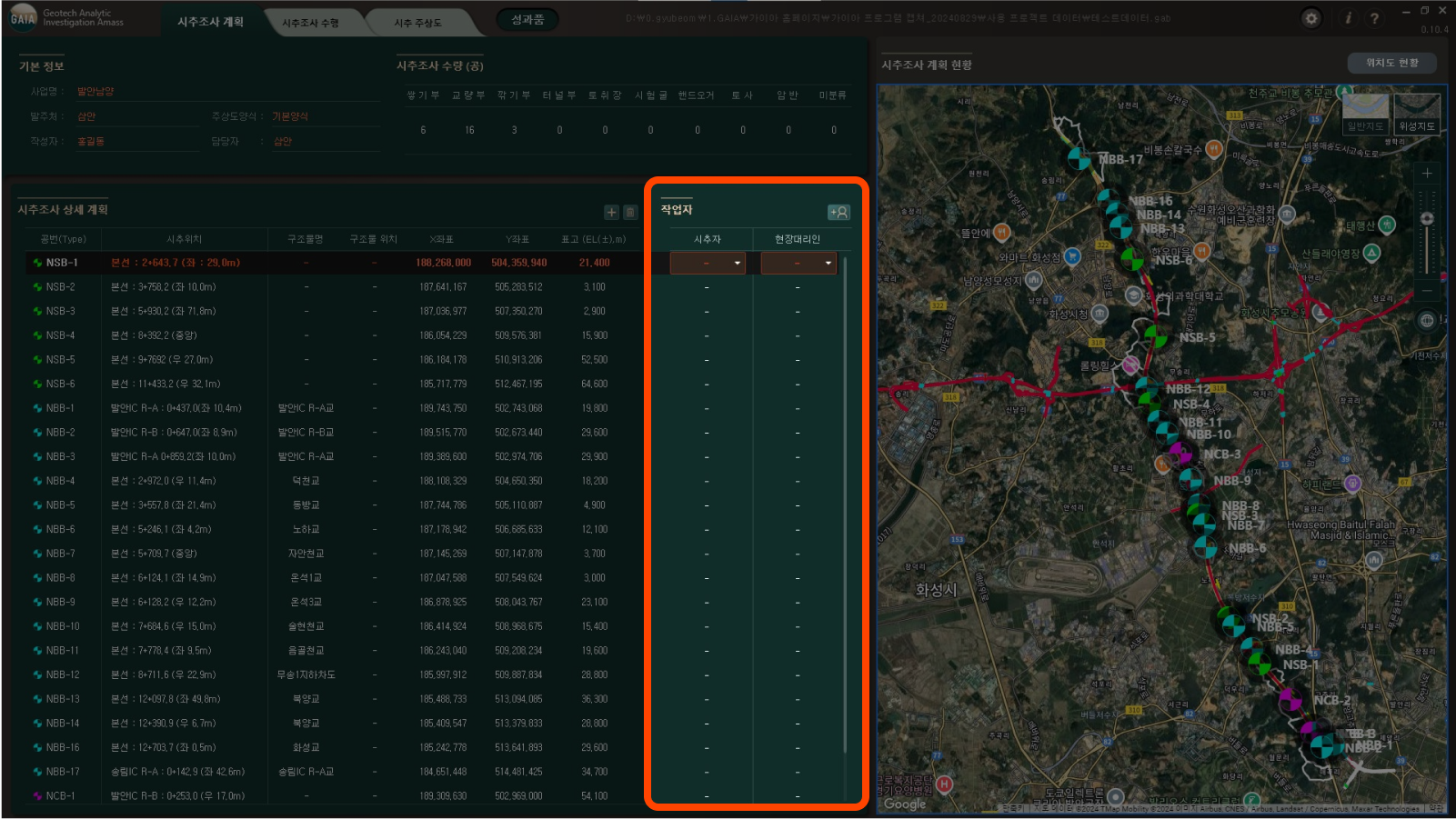
Worker Specification System
Improve the security and reliability of data collected at the site by designating drillers and on-site agents and registering workers with verification
mobile & email
verification register
workers
designation of
worker/site
representative
information
Improve data security
and reliability
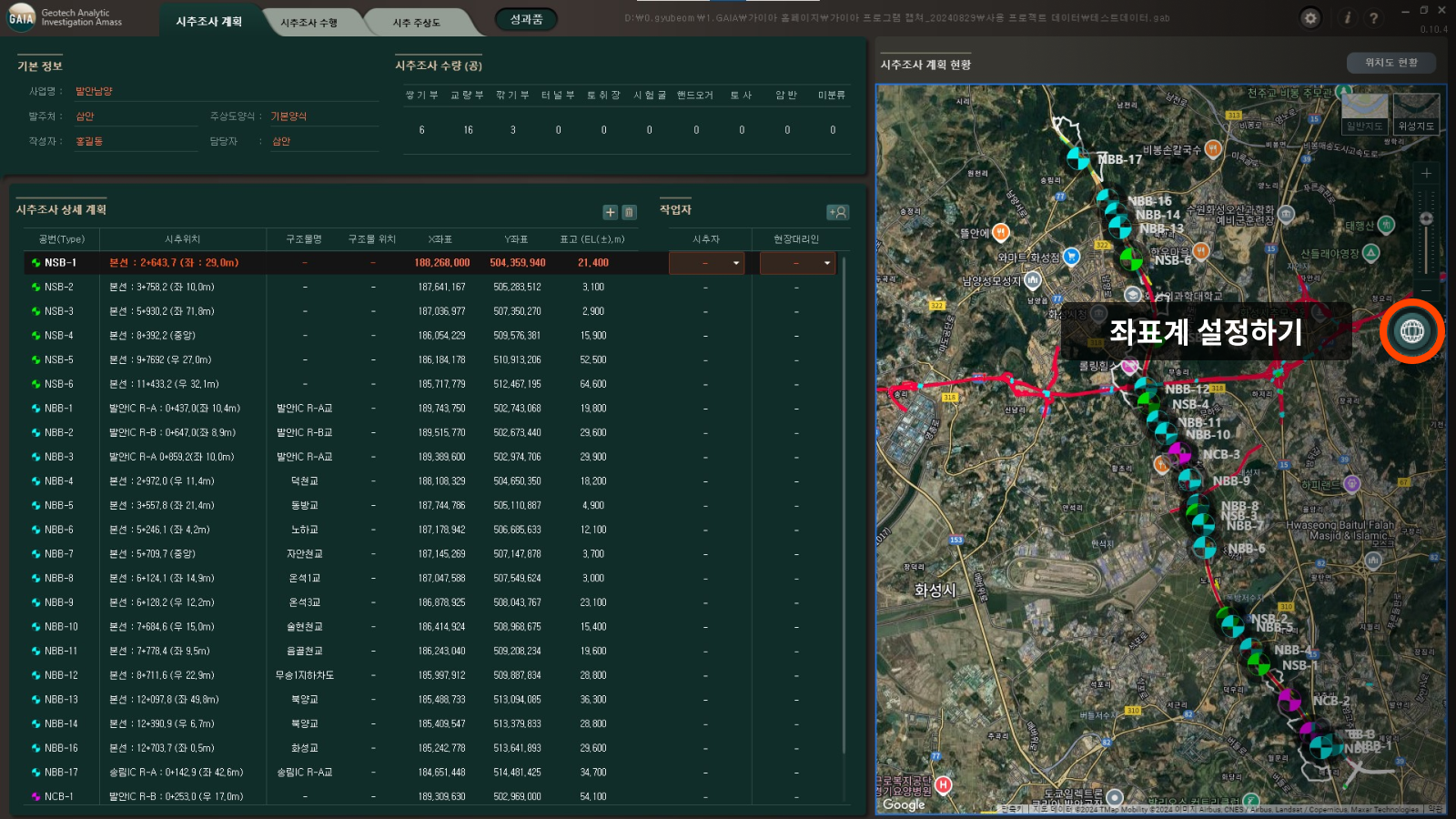
Various coordinate system settings & switching functions
It visualizes task sections based on various coordinate system criteria such as BESSEL, GRS80, and WGS84 and provides easy switching functions.
Set the coordinate
system such as Bessel,
GRS80, WGS84, etc
  • Visualization of effective
    area in coordinate system
  • Easy Coordinate System
    Switching
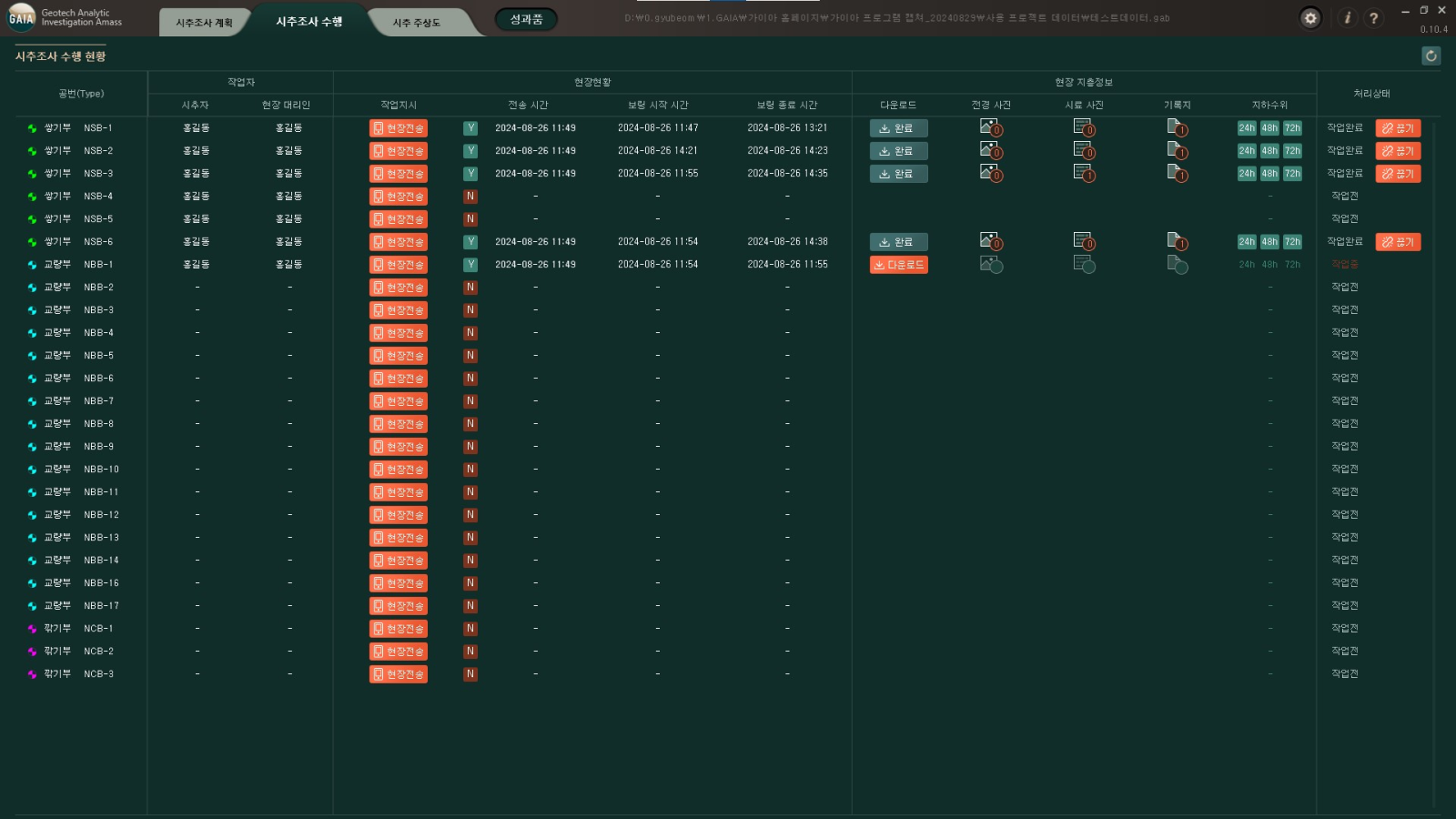
Monitoring on-site work status
On-site work status such as work order status, transmission time, and boring start or end time can be input/stored and shared in real time via mobile device to support real-time collaboration between on-site workers and HQ managers through monitoring.
Monitoring
the status of work
  • Real-time sharing of
    field information
  • Real-time collaboration
    with administrators
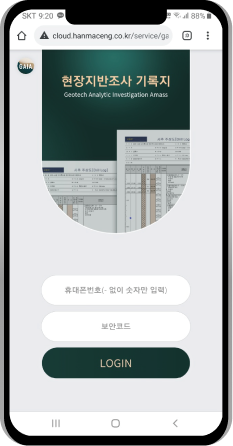
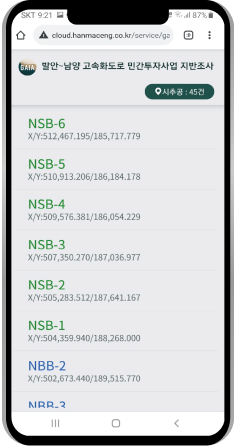
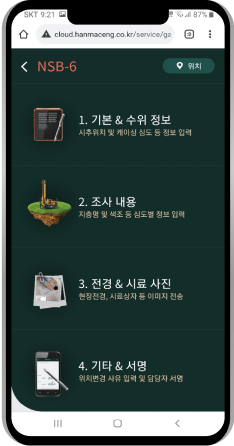
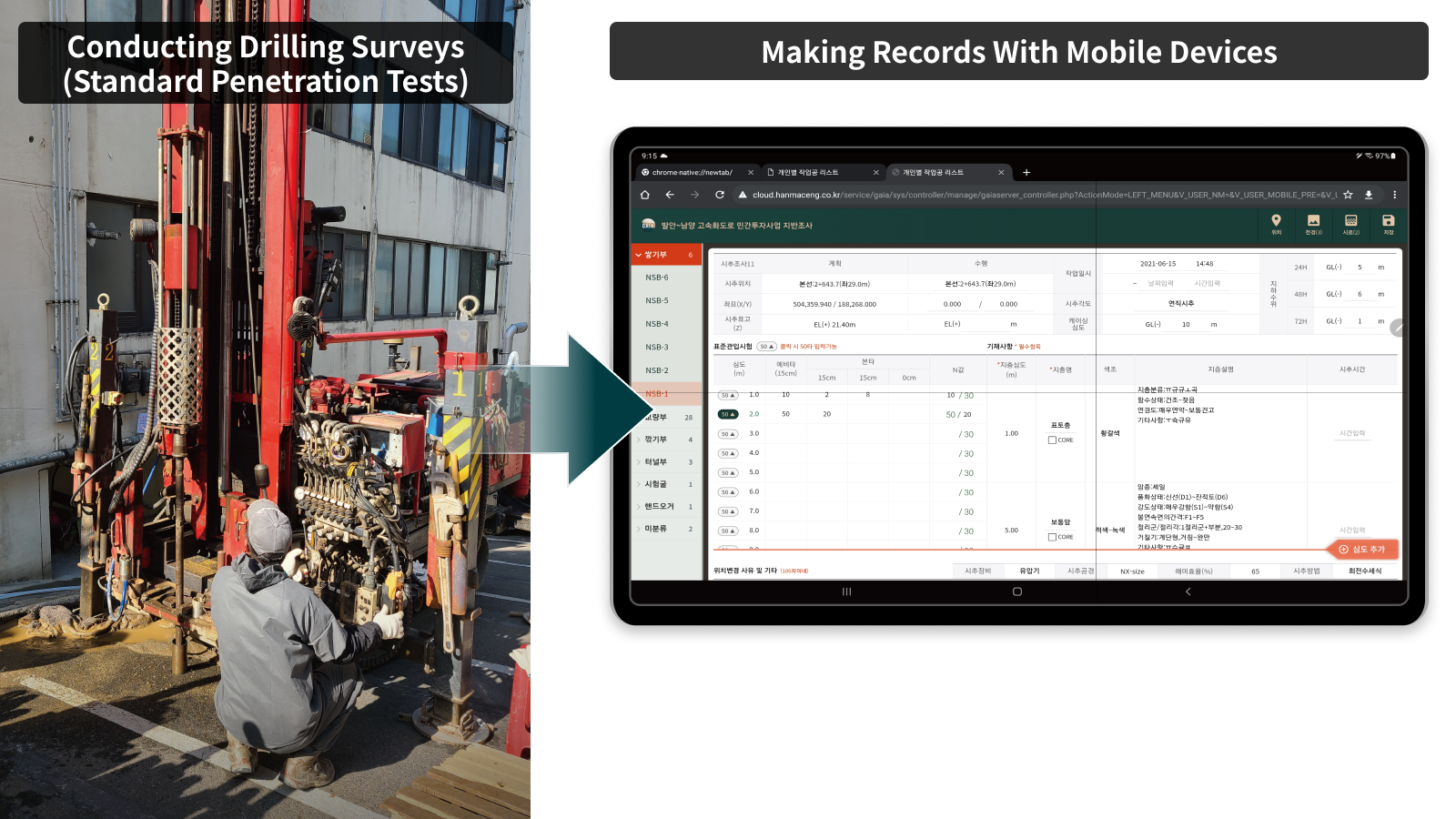
Creating a Web Record through a Mobile Device
Drilling survey records including detailed stratum information such as drilling location, casing depth, depth survey details, samples and foreground photographs can be prepared and shared in real time with on-site mobile devices (tablets and smartphones).
Creating Mobile
Web Records
  • Store, manage, and
    share stratum information
  • Real-time sharing
    via mobile
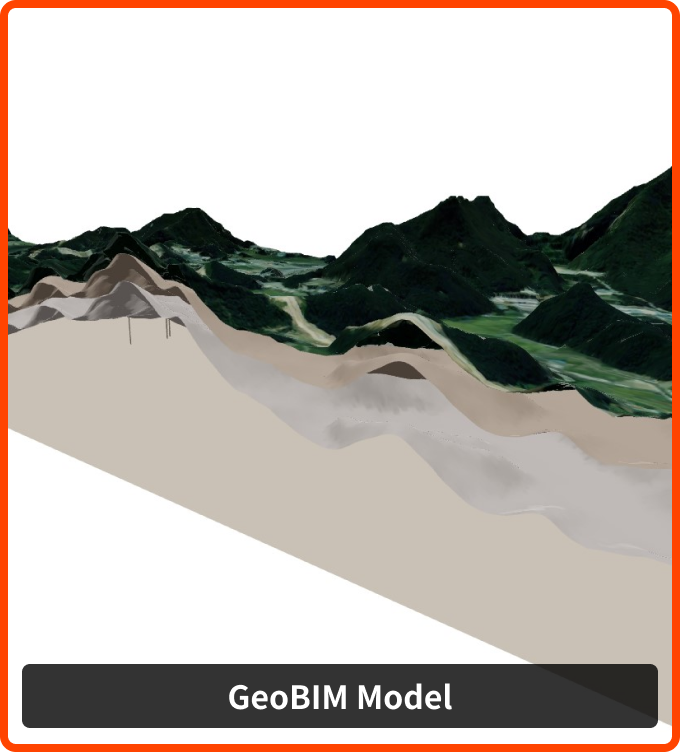
Real-time stratospheric
information model construction
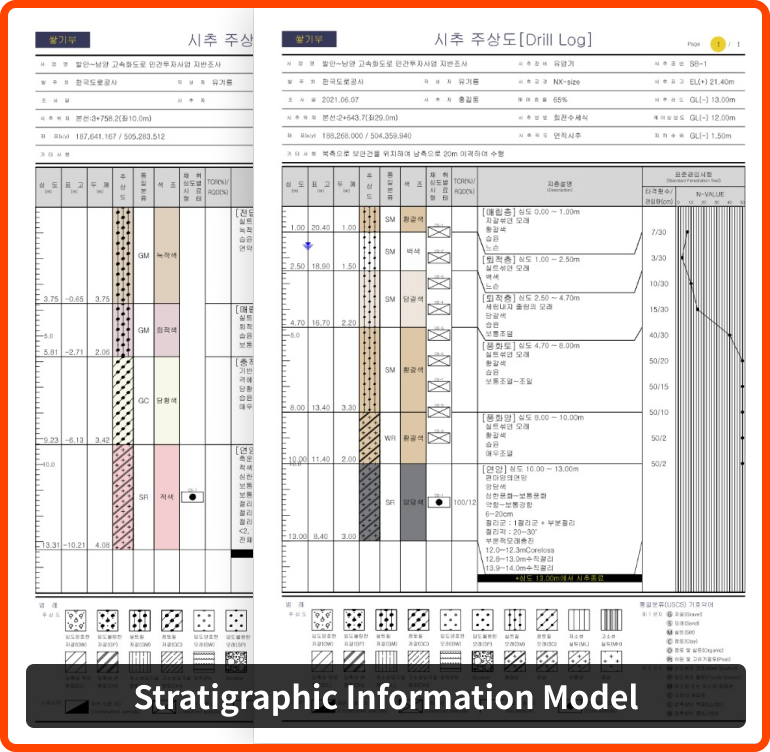
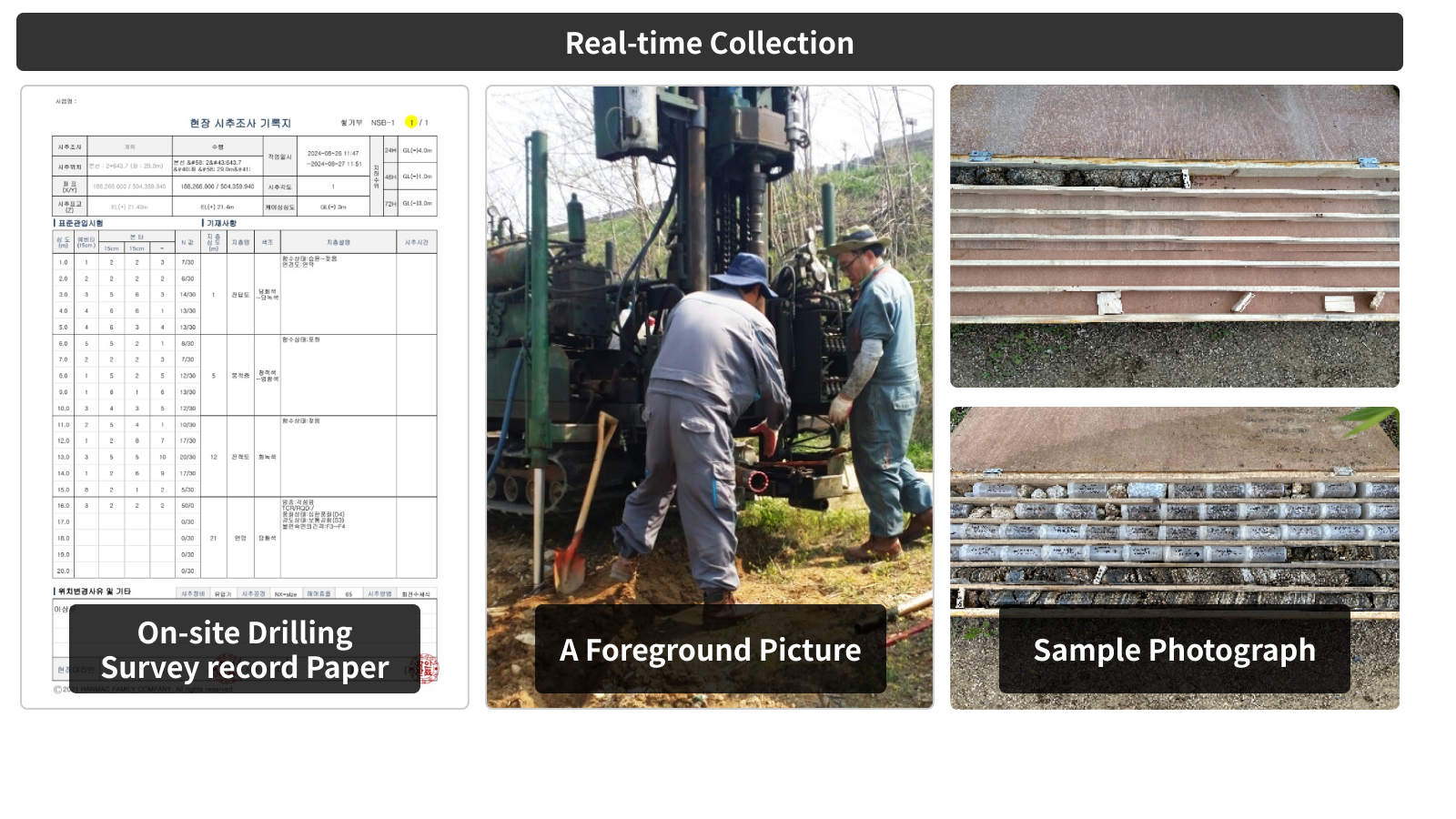
It is possible to build a reliable stratum information model with on-site information such as drilling survey records, samples, and foreground photos collected in real time.
On-site Drilling
Survey Record Paper
Sample photograph
a foreground picture
groundwater level
Use to build a reliable
stratum information
model for each borehole
Automatically create a virtual image as well
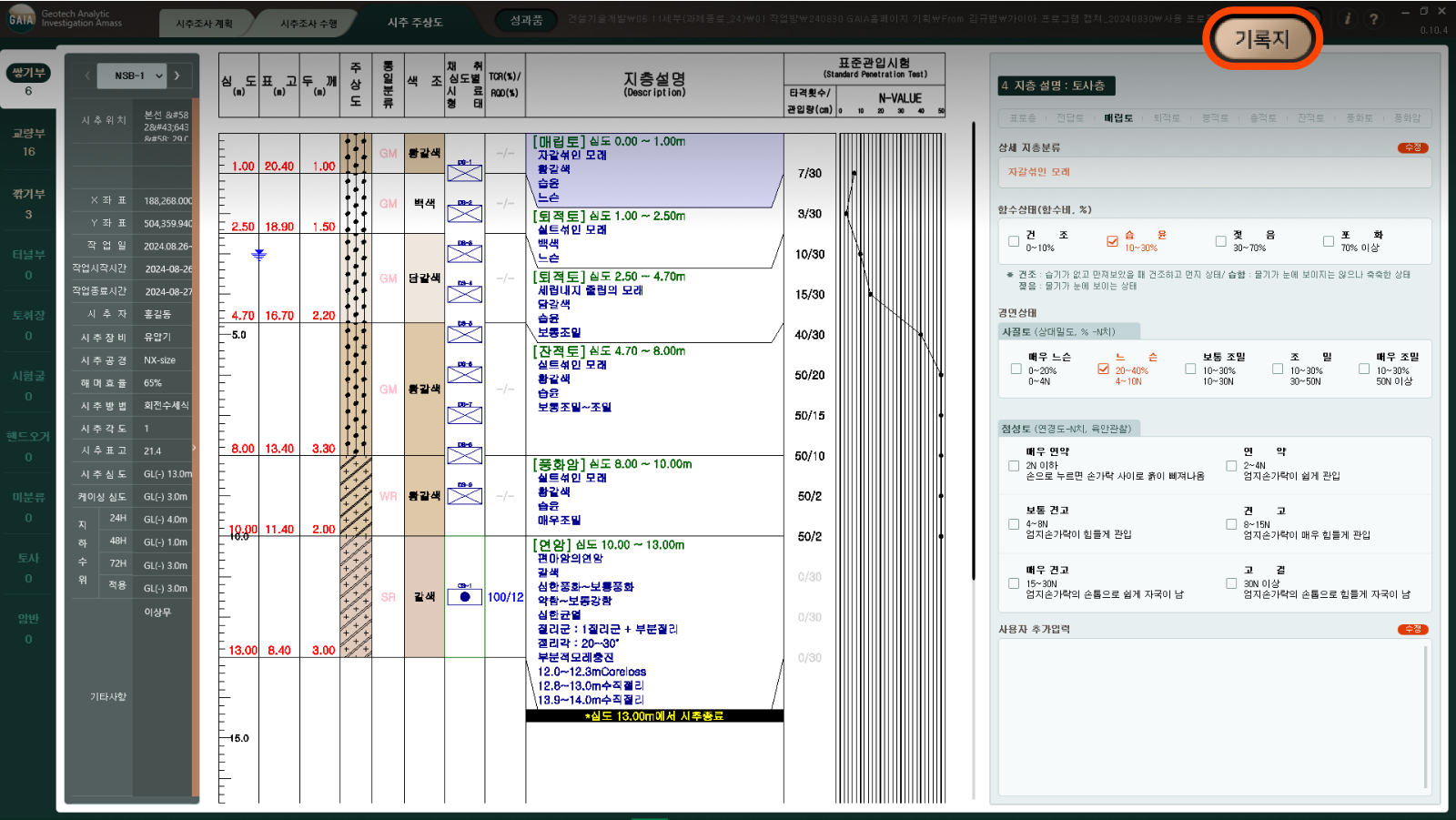
The web server is used to create the recording paper on site, while also automatically generating a real-time flow chart reflecting the results of the drilling survey, which enhances the reliability of the drilling information through comparative review with the field recording paper.
Preparation of real-time
circulation charts and
comparison of field drilling
survey records
  • Improve work efficiency
  • Improving the reliability of
    drilling information
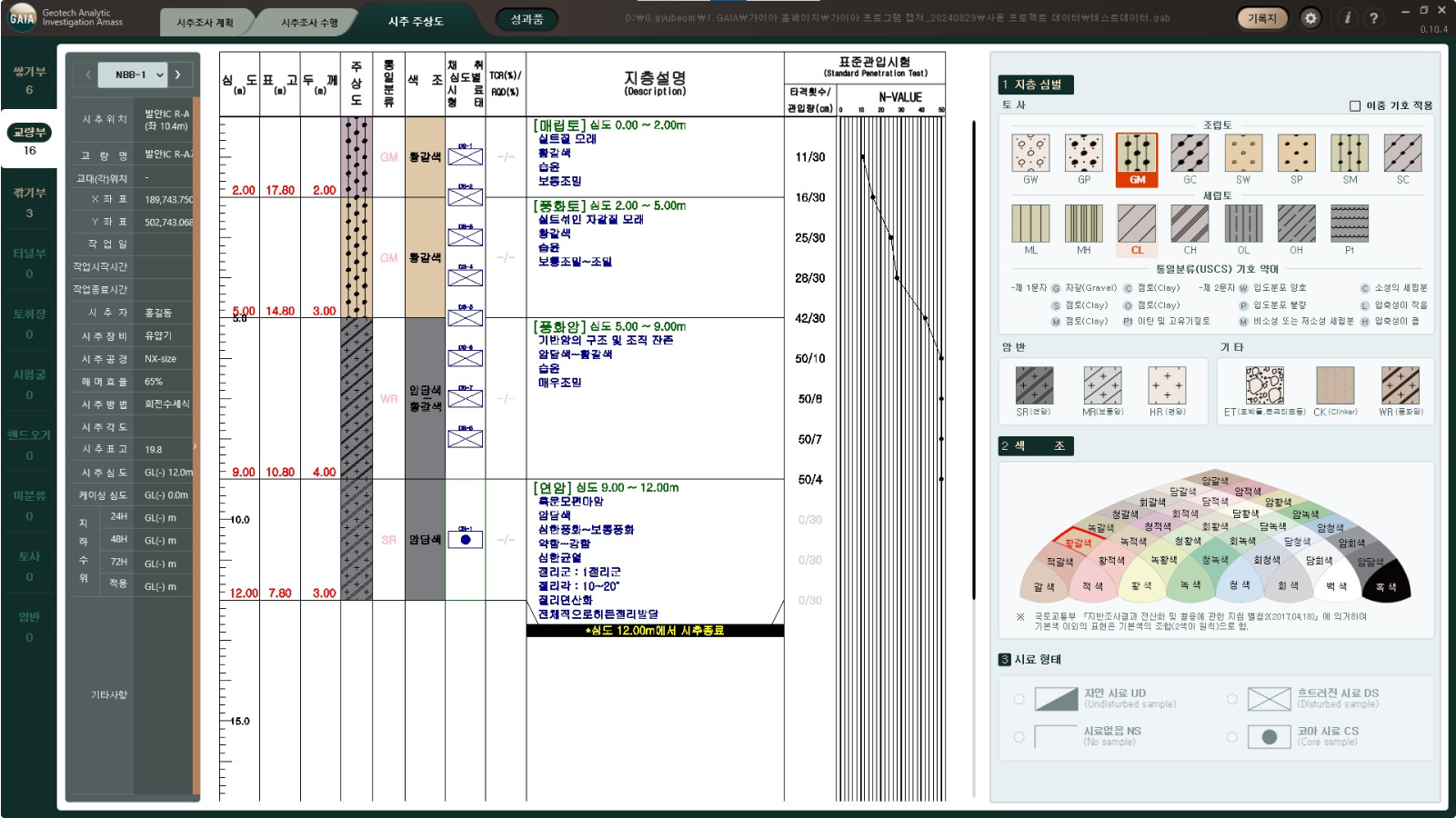
Input support with WYSIWYG method
The user-friendly interface of WYSIWYG (What You See Is What You Get) allows you to visualize detailed inputs such as symbols, colors, sample shapes, and functional status for each layer and make it easy to enter.
A user-friendly interface
  • Easy input
  • Visualize a variety
    of inputs
  • stratigraphic symbols,
    hues, and sample forms
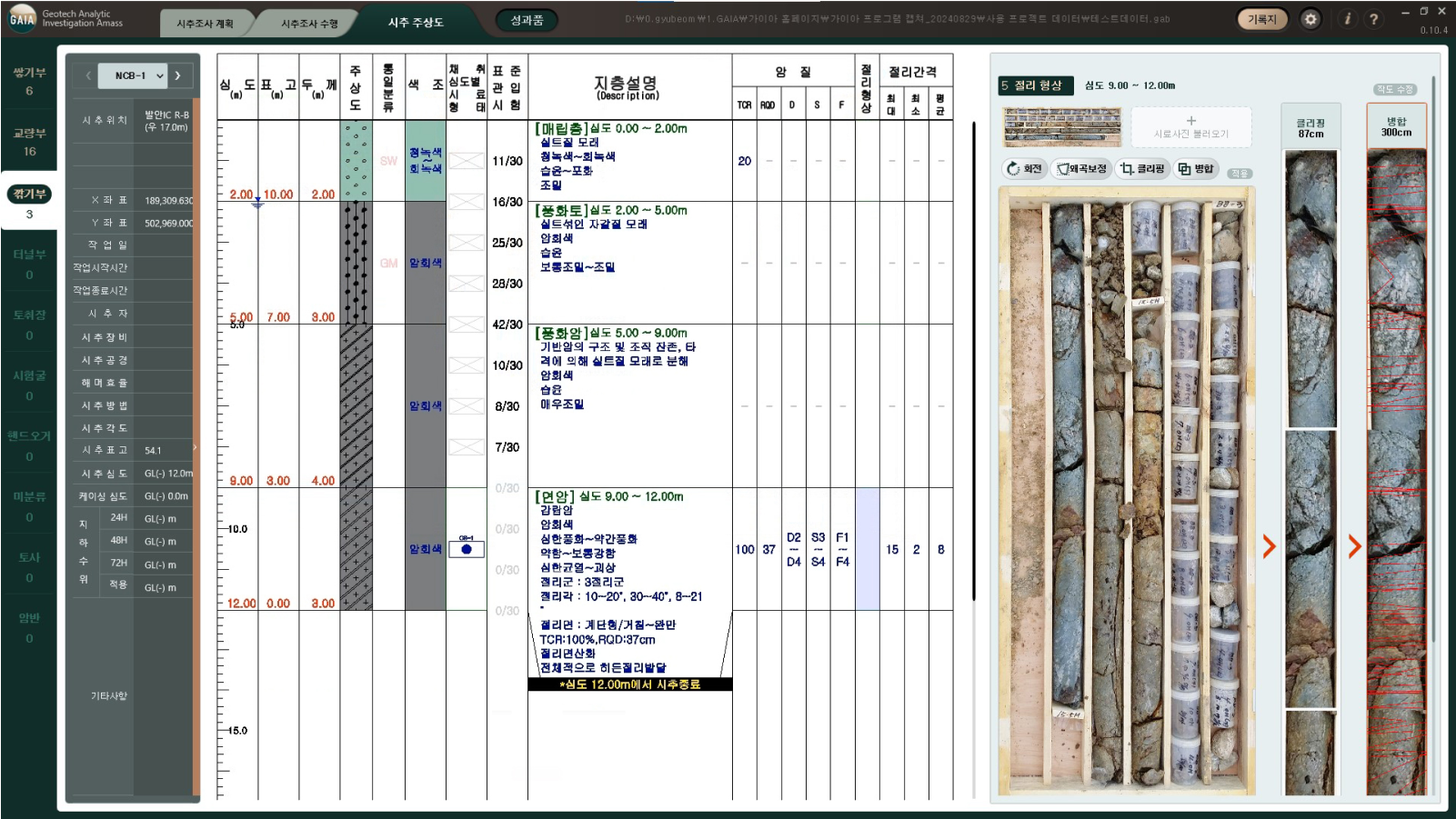
Rock Joint Pattern Drafting
Based on collected sample photographs, users can directly draft rock joint patterns, enabling intuitive and convenient input and management.
Rotation
Distortion correction
Clipping
Merging
Enables intuitive and
convenient input and
management of joint
patterns in borehole logs